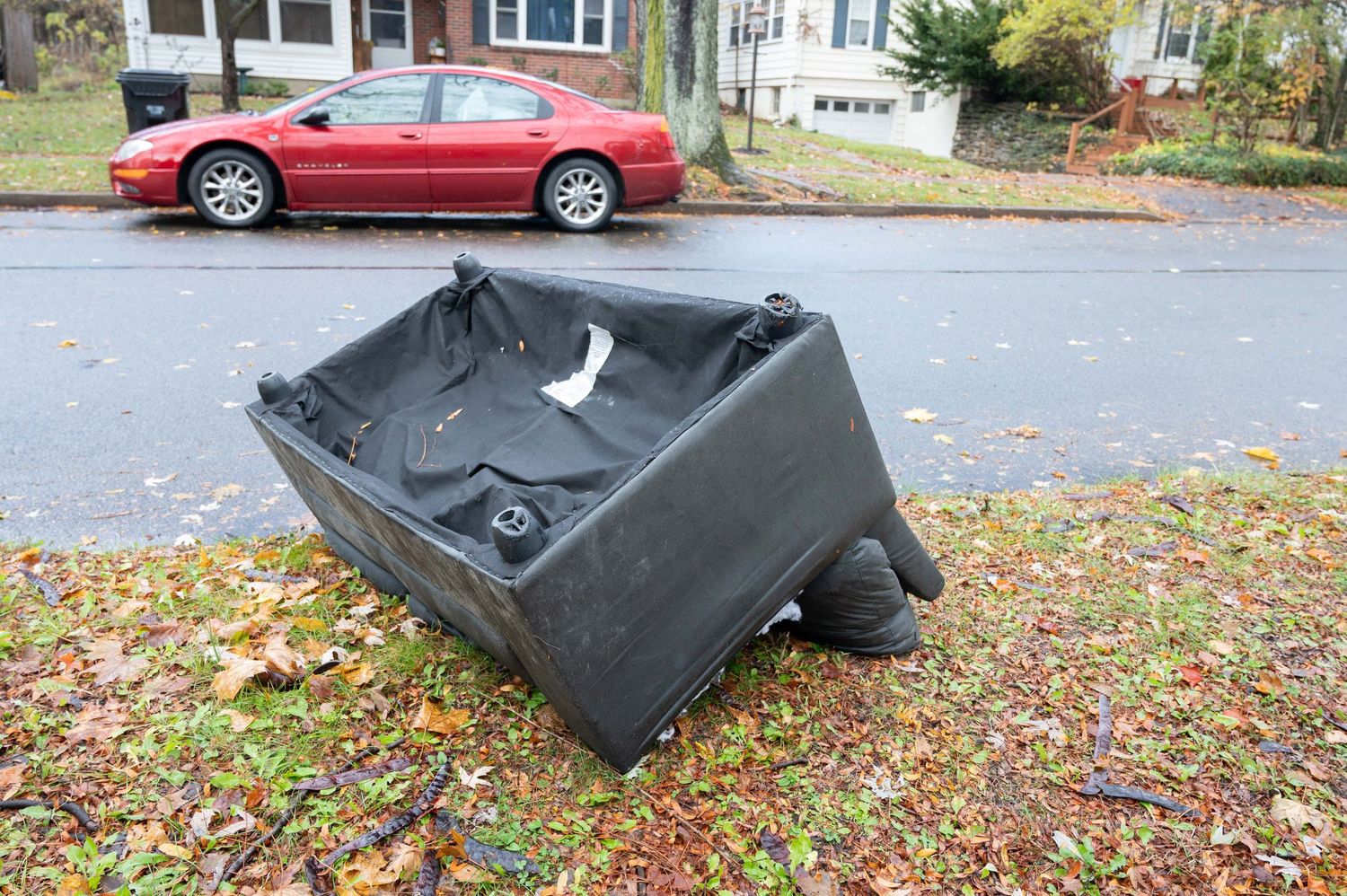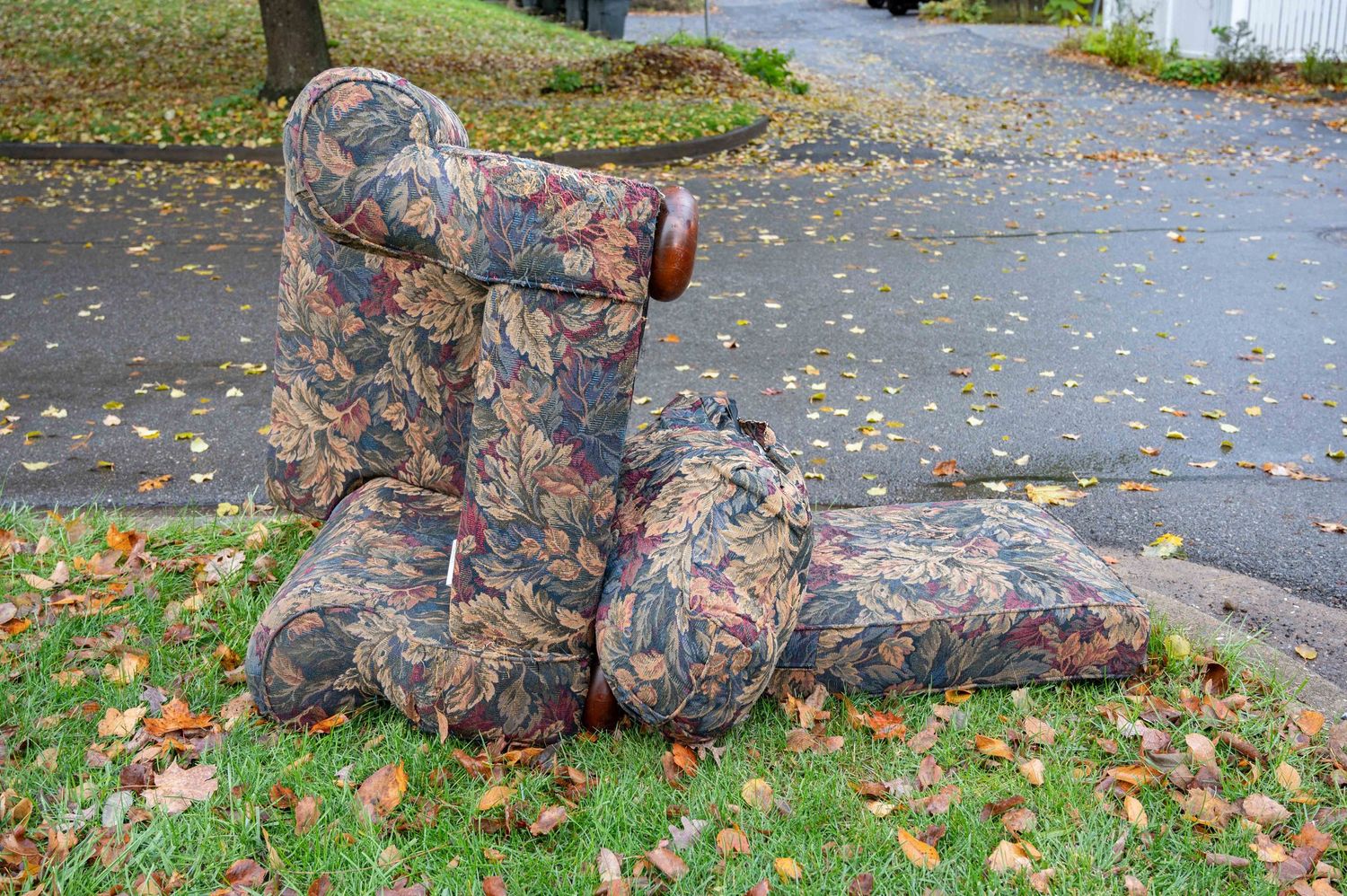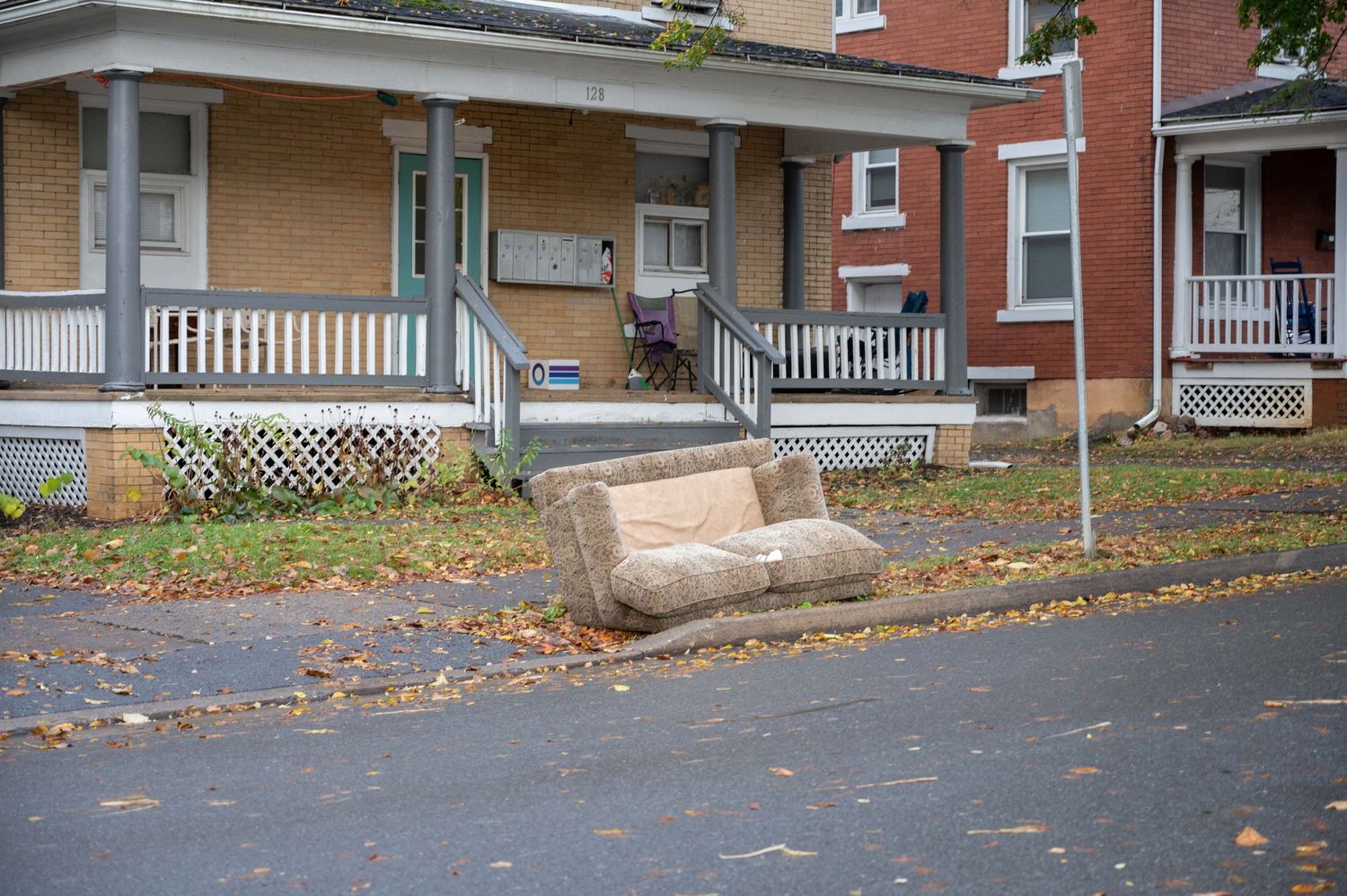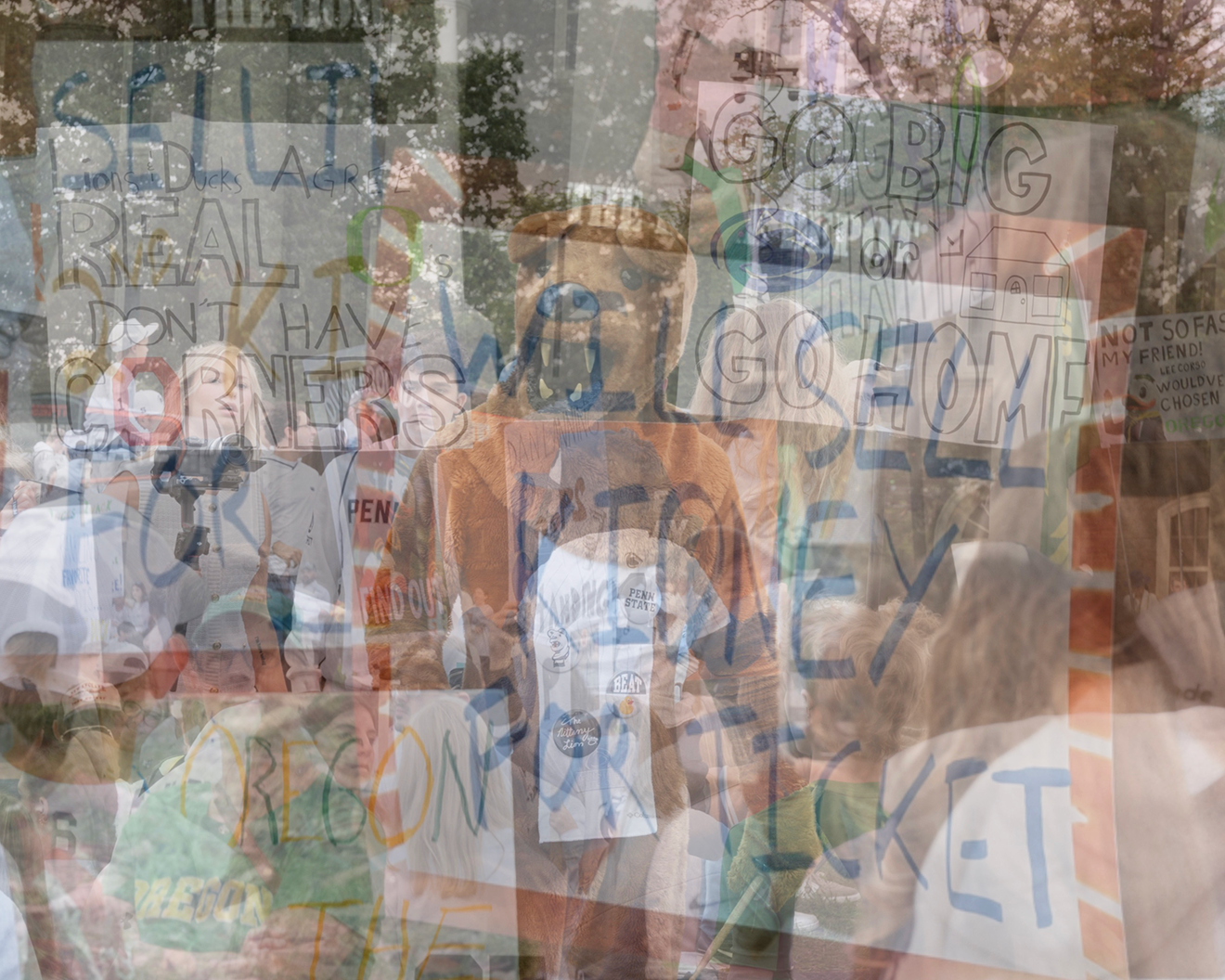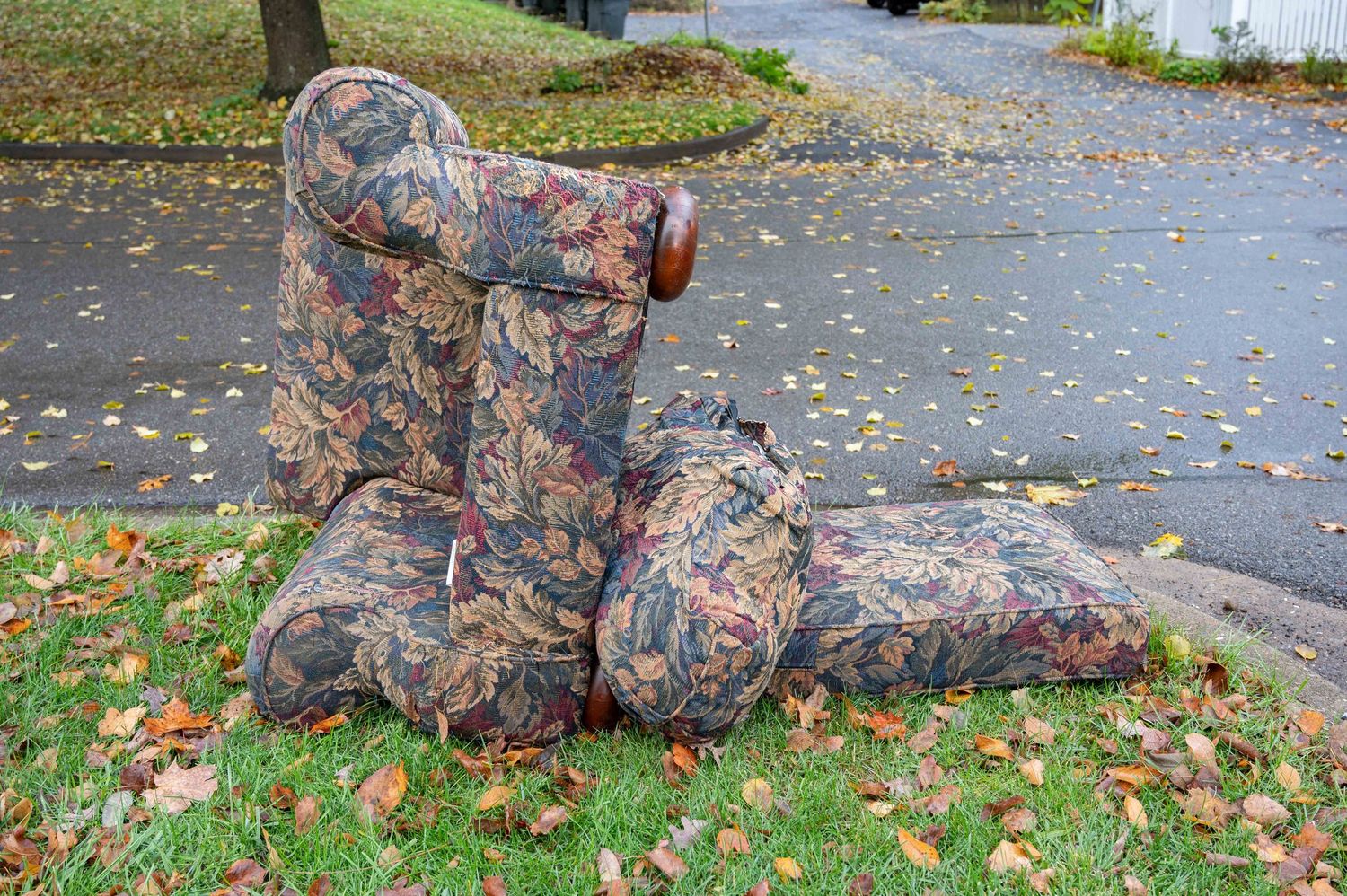
For this assignment, I chose to take an "archaeological approach," recording the evidence of human activity, and more specifically the objects left behind by people in State College. Whether it was trash, decorations, or interesting things left in yards, these items suggest that a human or humans existed in the space, but no humans are found within the images. I feel that these items are largely overlooked, just trash we find along sidewalks, but it makes me wonder, how much have we become accustomed to that is not meant to be in a space? And what do these items say about the humans that live and work in this town?
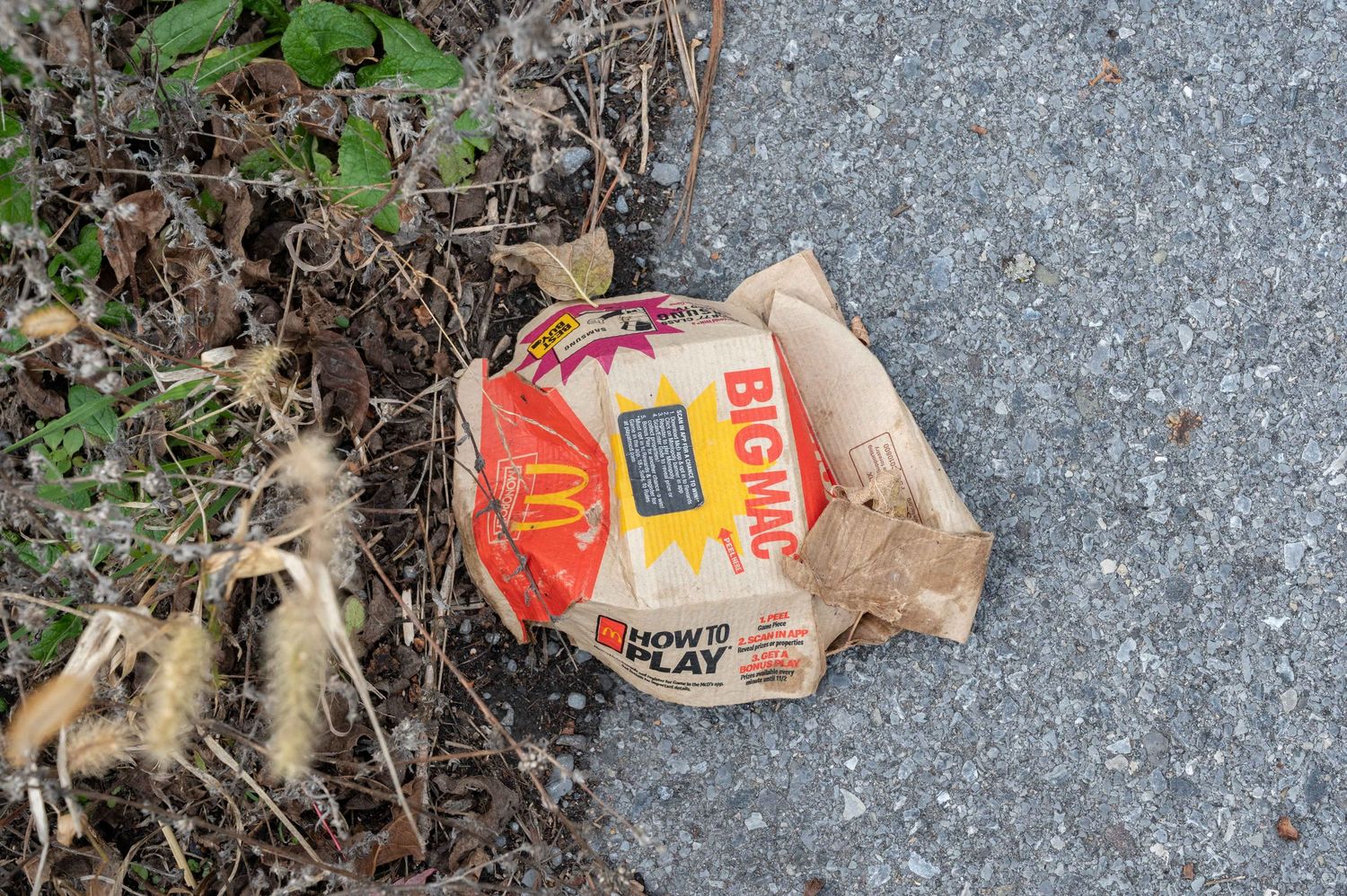
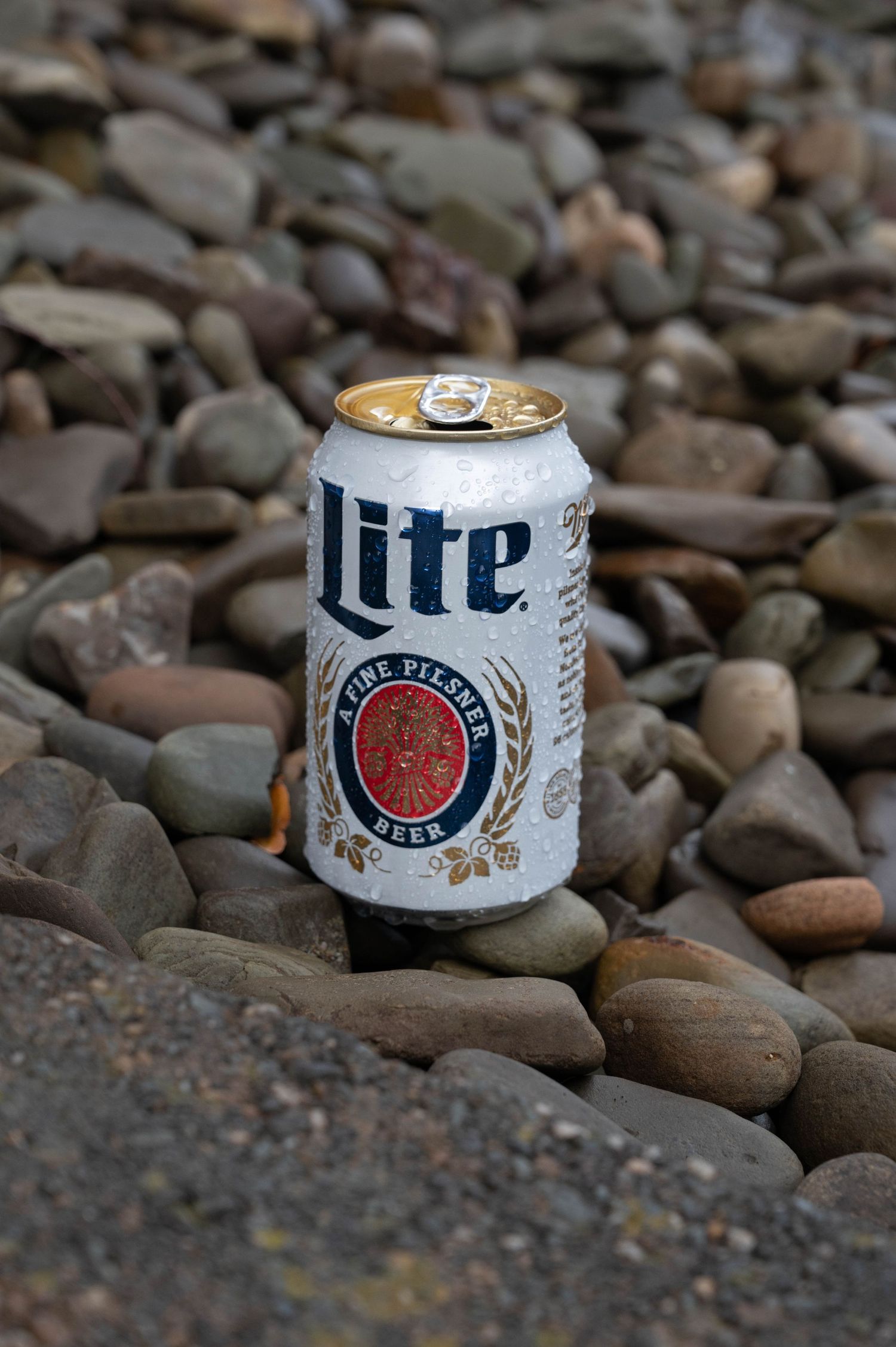
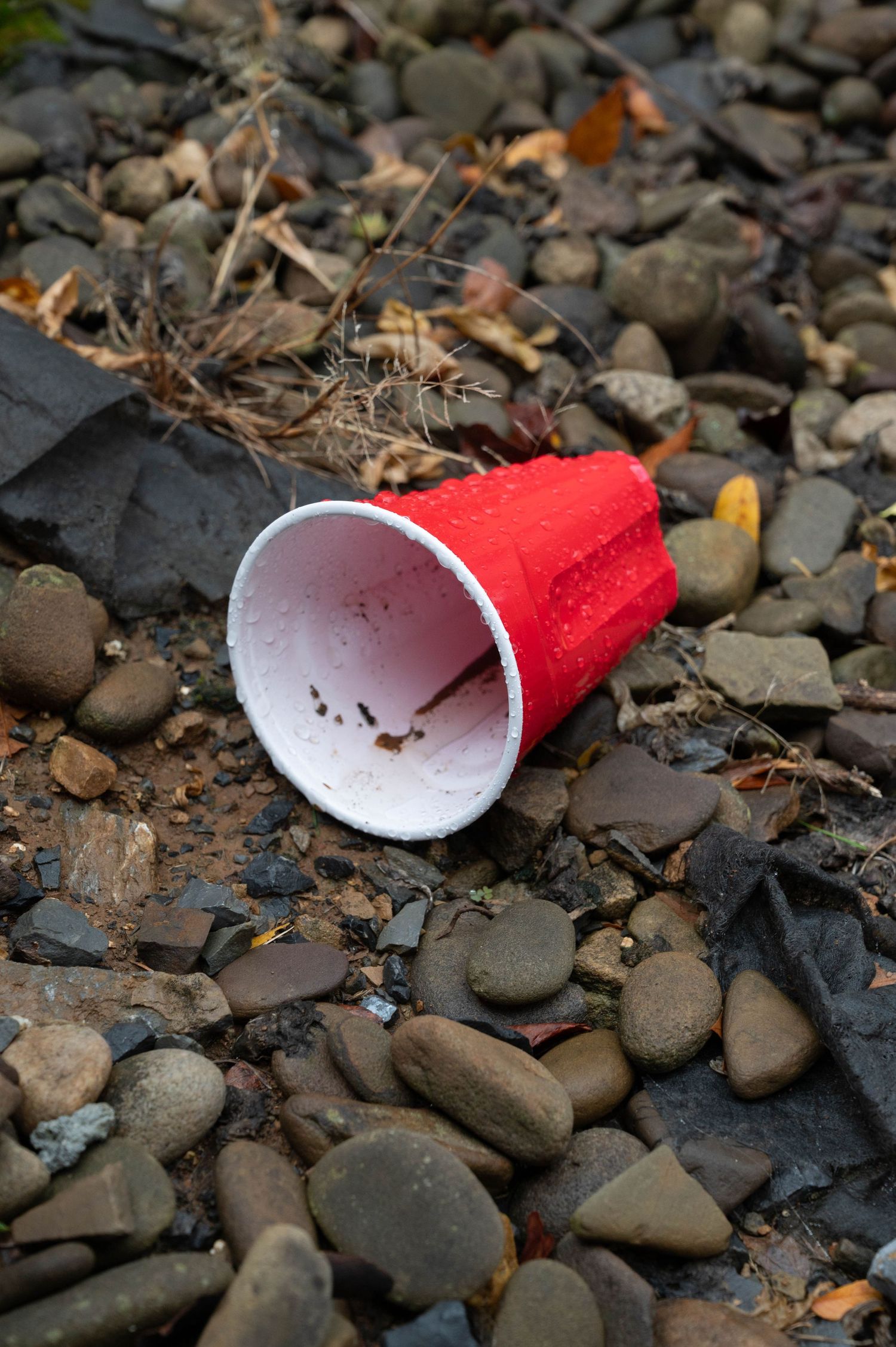
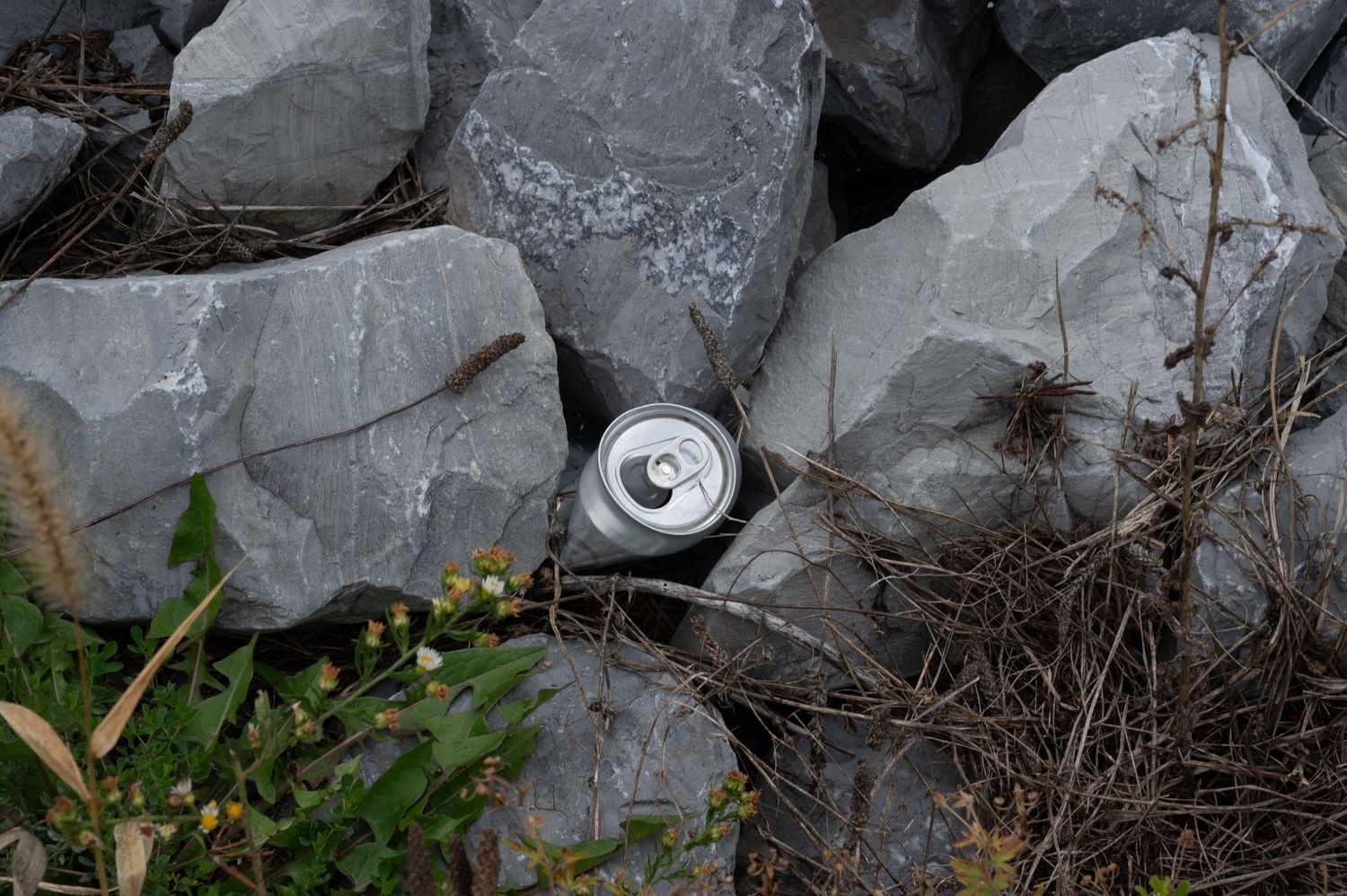
I think the most challenging thing was my own personal reaction to how much garbage appeared everywhere I looked. I don't think there was anything technically difficult for me; it was just a change of pace looking for found objects rather than people. My focus was shifted from humans themselves to the evidence of human existence, but this became a sort of "i-spy" sort of thing, especially when the objects are ones I typically ignore or items that blended into their surroundings. However, the more trash or recyclable items that I photographed, the more I became upset that these items are just EVERYWHERE in this town. From cups, to cans, to couches, there has got to be a better way to dispose of these objects.
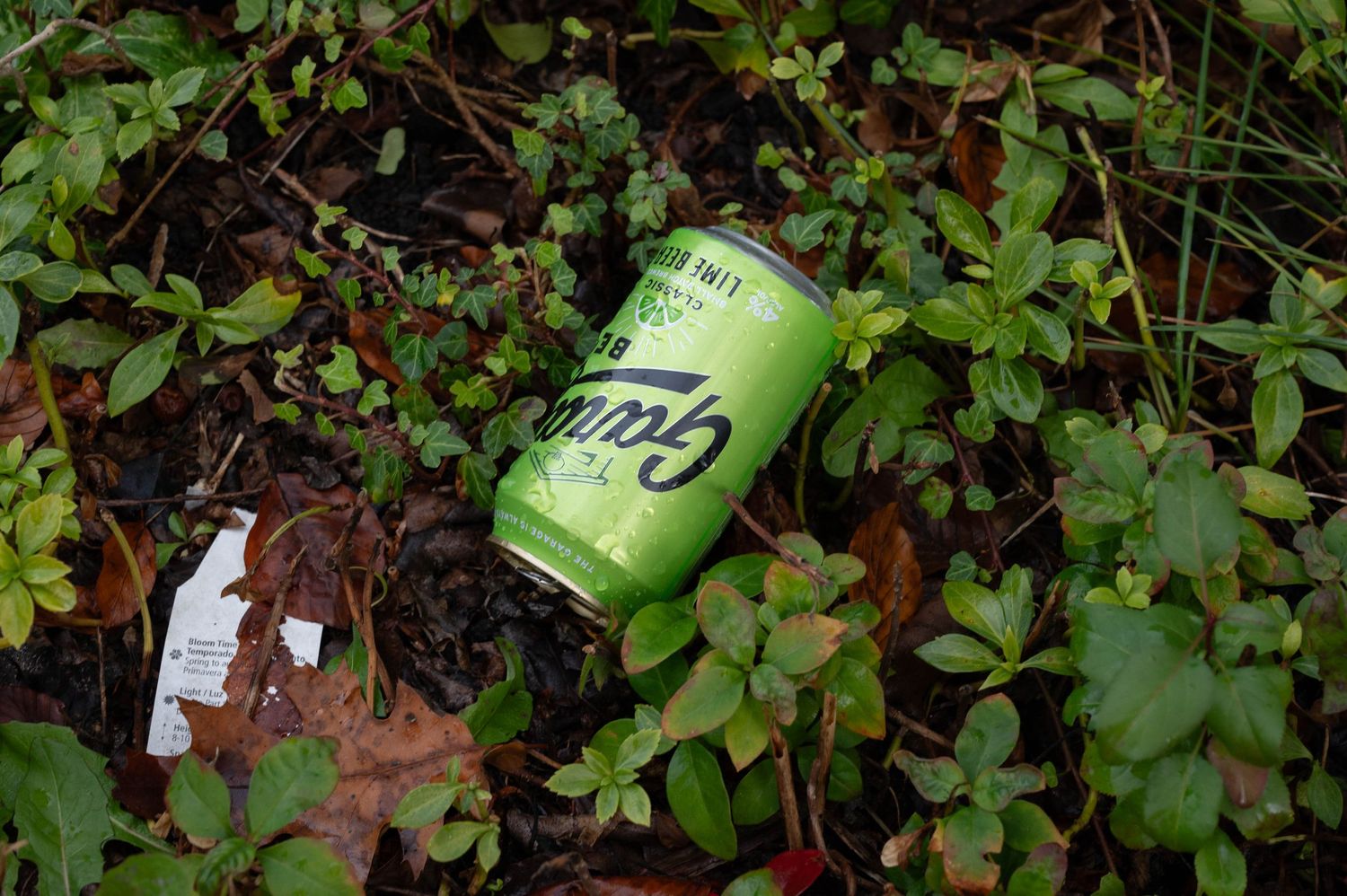
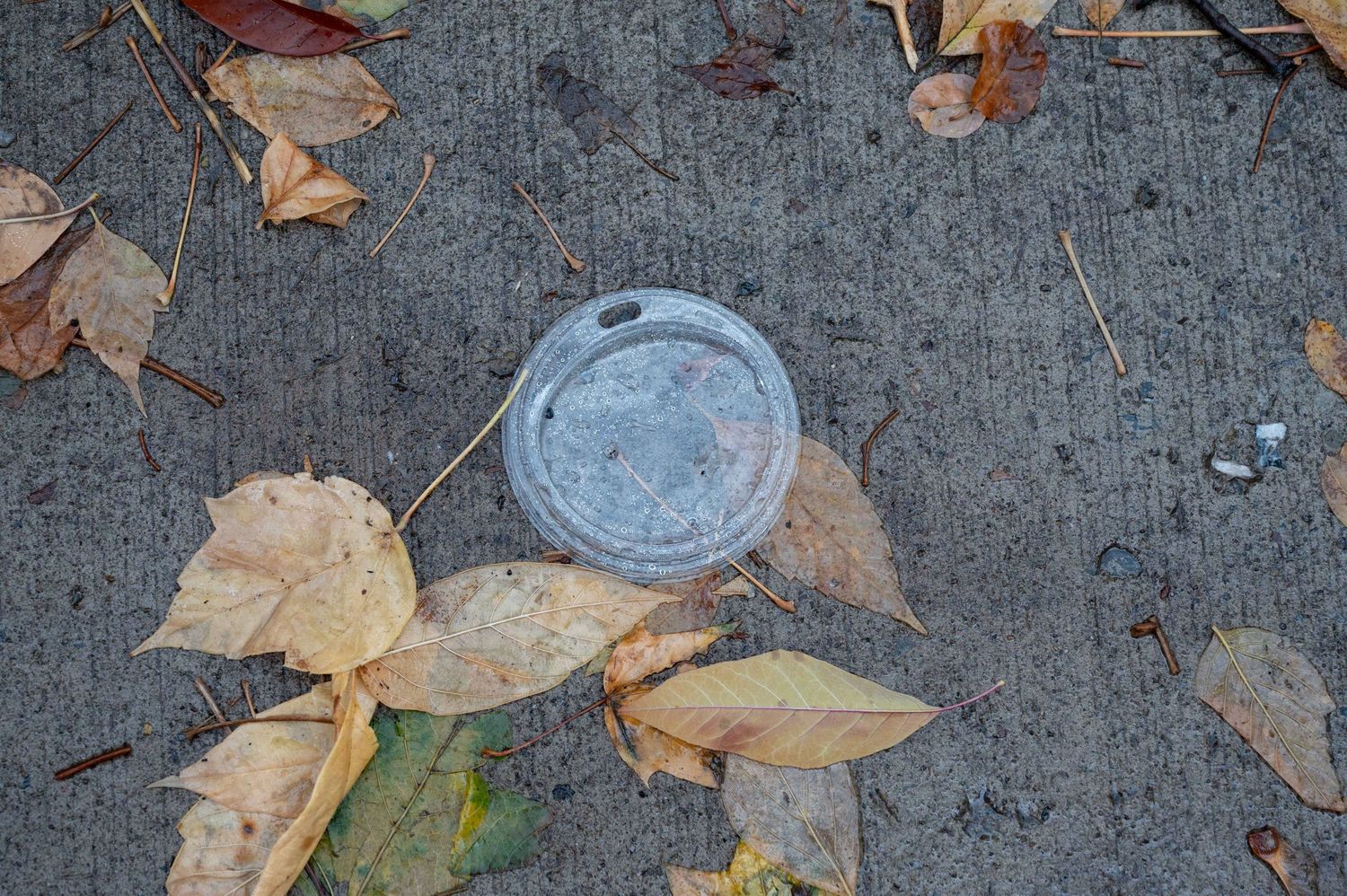
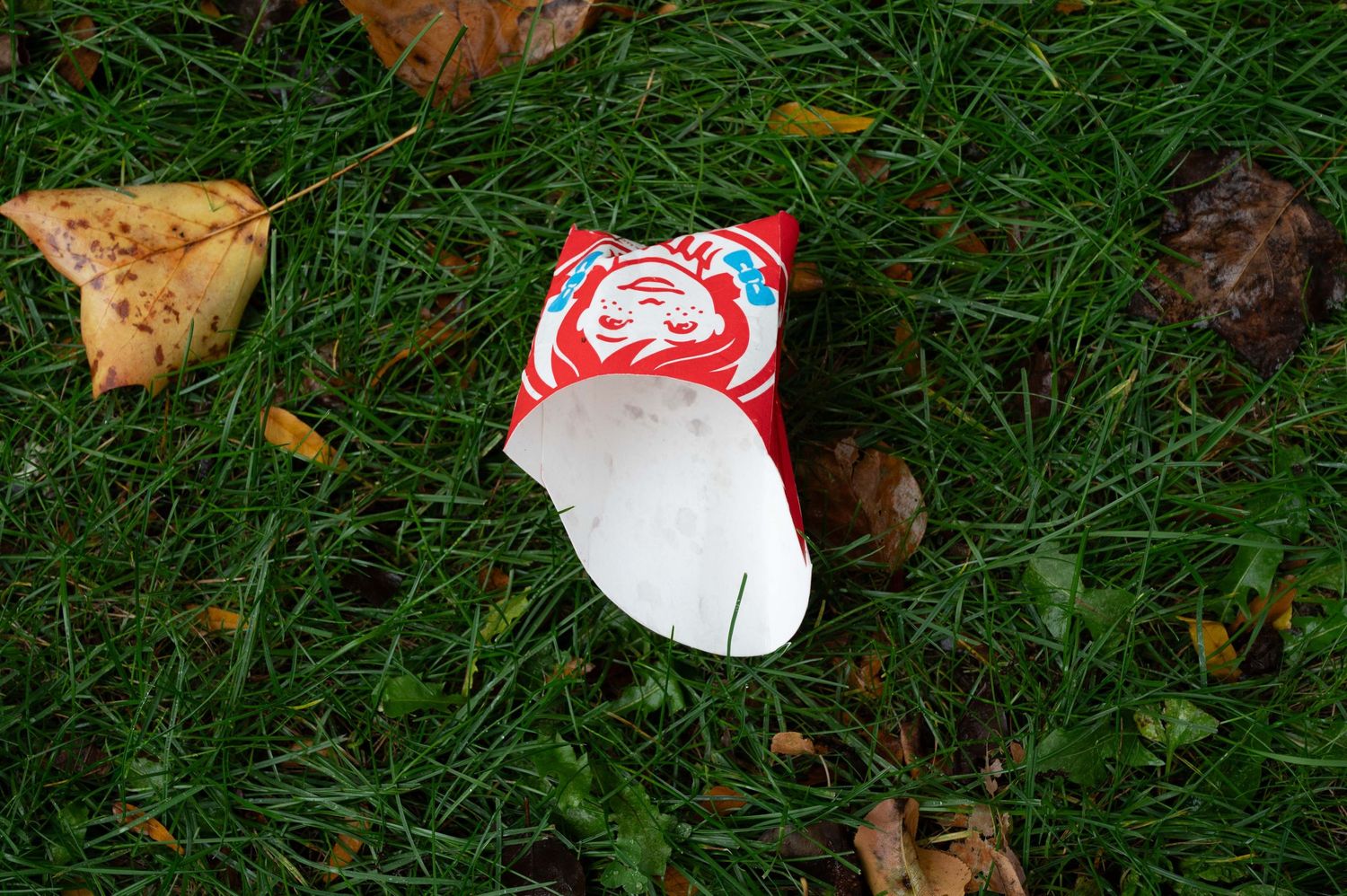
I think the main things that I learned from this assignment is that I could create stories in my head surrounding the objects left on the ground or the objects placed in yards. Rather than "people watching," I was creating my own characters that the objects belonged to. I was world building from a beer can; creating worlds around lawn chairs. I think this week was a welcome break to the work we've done so far this semester; it gave me fresh eyes and perspective, and I think that will be helpful going forward for the next assignment.
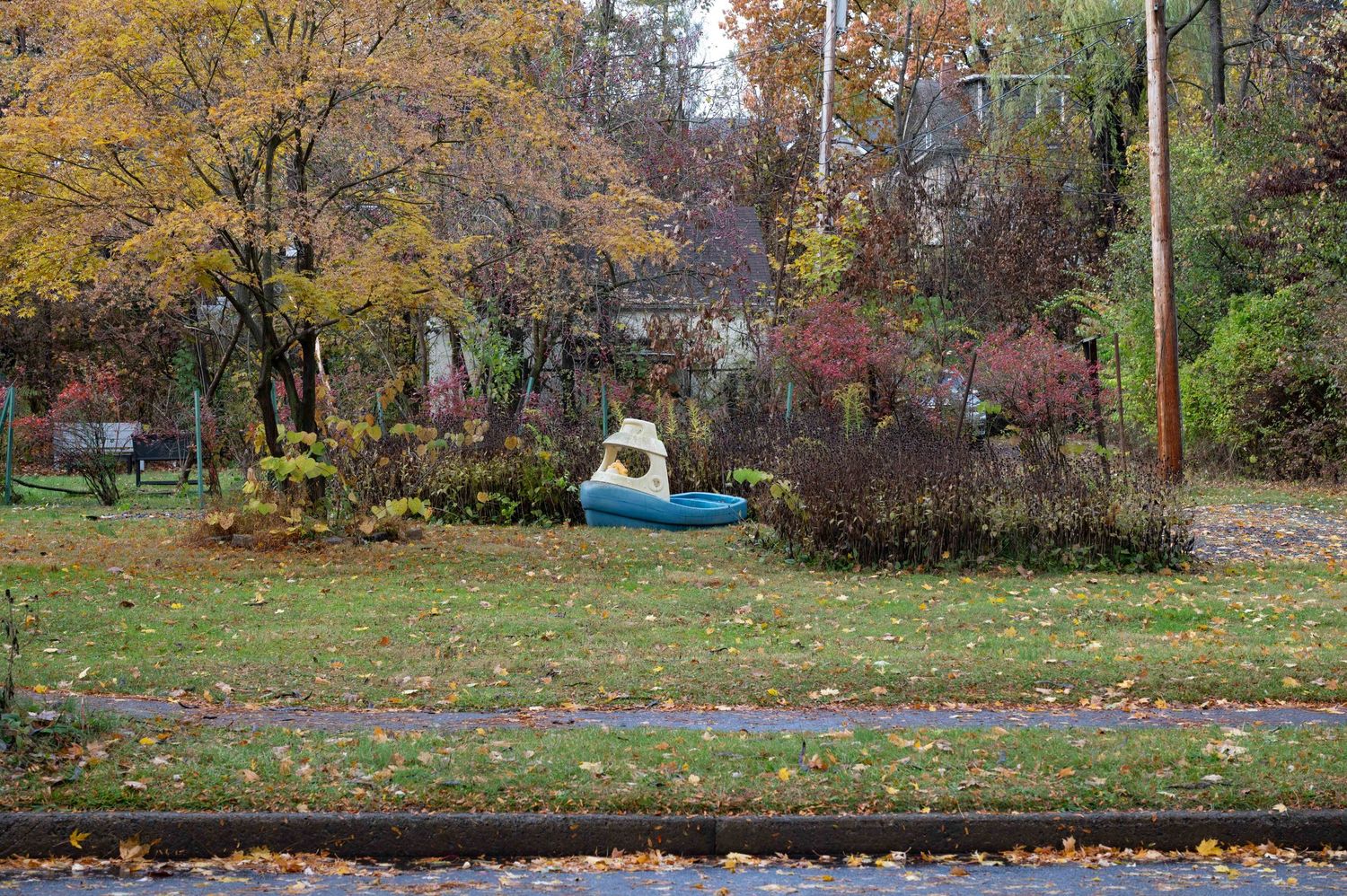
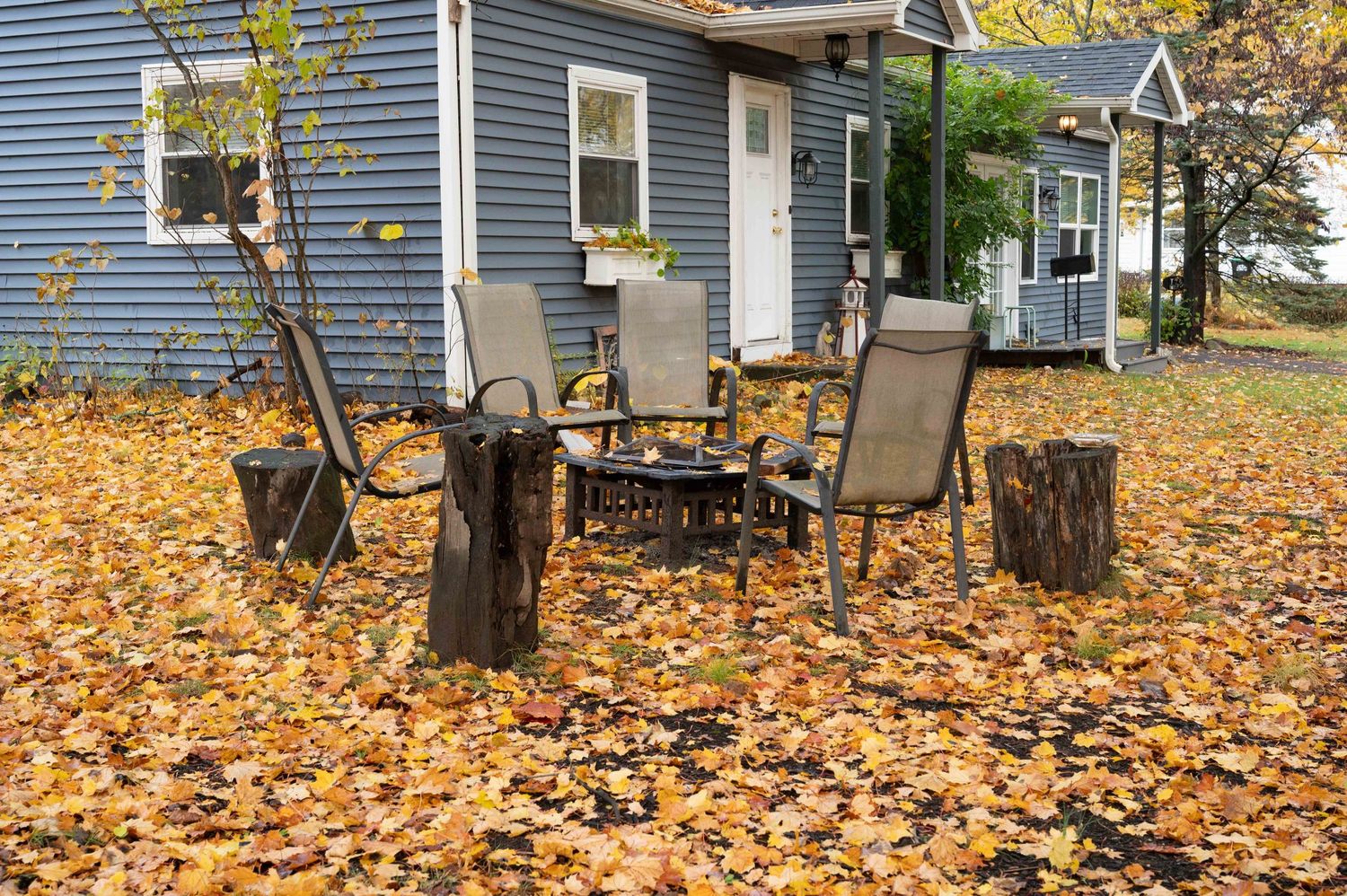
I don't think that people are necessary to tell a story. While they can be helpful, and often are the center to stories that photographers tell, I think it is easy to fall into the trap that stories = people photographed. This week, I began to craft my own narratives surrounding the situations of these remnants of life, and it is my hope that others will take a pause and consider how these objects ended up where they did, or what it is about State College that draws couches to curbs. I think the main shift in thinking was assigning stories to objects rather than assigning stories to people; but this shift allowed me to have fun, and to have eyes peeled for new things.